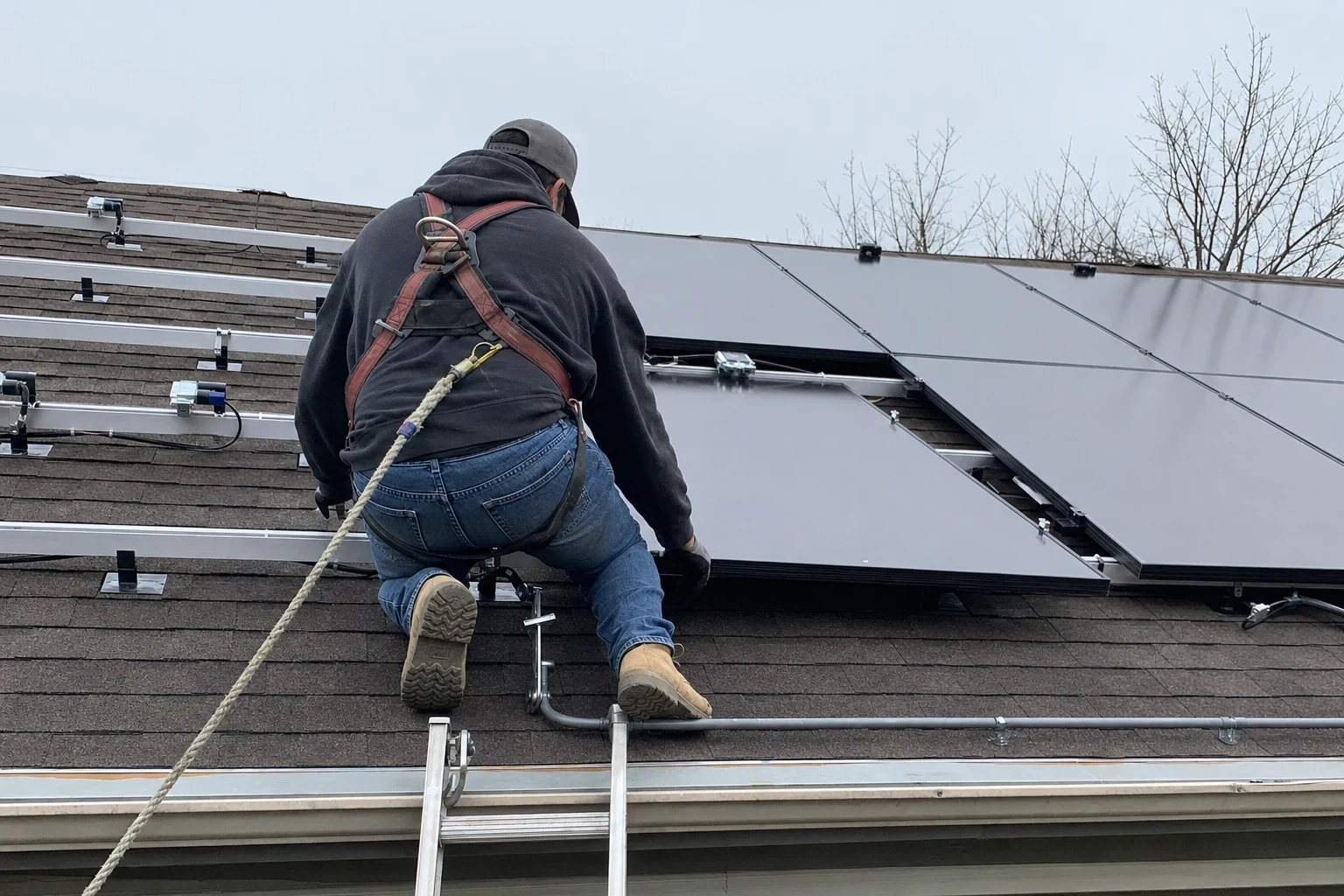
Careful Solar Work for Homes in The Colony
We install new solar arrays, add home batteries, repair systems that have stopped producing and clean panels dulled by dust and pollen. Every job starts with measuring what your home really uses and what your roof can carry, for households in The Colony, Lewisville and Little Elm.
- Written line-item estimates
- In business 5 years
- BBB Accredited, A+ rating
- 10-year workmanship warranty on solar
How We Work on Your Home
Most solar problems, and most disappointing new systems, come from a guess made too early. We take the measurements first, then make the recommendation.
We test before we recommend
A system that underperforms can have a shaded string, a failed optimizer, a tripped breaker or simply a dirty array. Each needs a different fix. We read the inverter data, check string voltages and inspect the hardware so the repair matches the actual cause.
Estimates written line by line
You see the panels, inverter, racking, electrical work and permit costs listed separately. If something changes after we open a junction box or look under an array, we explain it before any added work begins.
Photos of what we find
We photograph damaged connectors, worn wiring, cracked glass and flashing details, then walk you through them. You can see the problem for yourself instead of taking our word for it.
Attachments and wiring done with care
Every roof penetration is flashed and sealed, conduit runs are straight and secured, and we choose components rated for long Texas summers. The finished system should look as tidy as it performs.
A clean site when we leave
We protect walkways and landscaping during the work and pick up wire clippings, packaging and stray fasteners before we go. Your yard and driveway are left the way we found them.
Residential Solar, Start to Finish
Five years in, our company still does one kind of work: solar for homes. That covers new systems, roof-mounted arrays, battery storage, repair and panel cleaning. Our installations carry a 10-year workmanship warranty on solar, and we are BBB Accredited with an A+ rating. Whichever service you need, we look closely at the real conditions before we suggest anything.
Solar Panel Installation
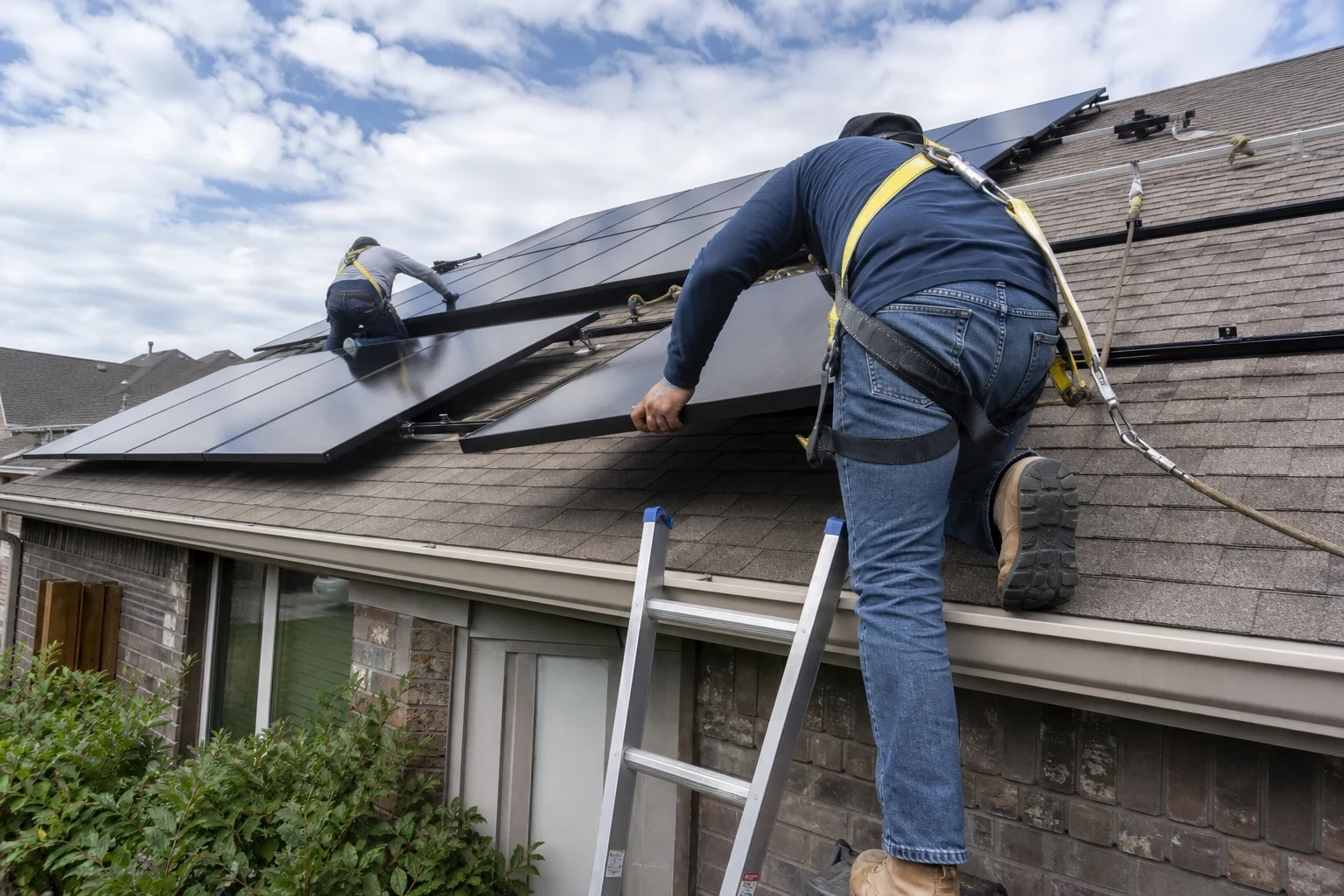
New solar systems designed from your electric bills, roof layout and service panel, then installed with tidy wiring and careful roof attachments.
Battery Storage
Home batteries sized from your real usage and backup goals, neatly installed and permitted, for new or existing solar systems.
Solar Repair
We test your system string by string, find what is actually holding back production, and repair that part, with photos and a written estimate first.
Panel Cleaning
Soft-brush, pure-water cleaning for your solar array, with a before-and-after look at production so you can see what the cleaning changed.
Roof-Mounted Solar
Roof-mounted solar designed after we check your shingles, rafters and shade, then installed with flashed attachments and tidy wiring.
A Solar Company That Starts With the Facts
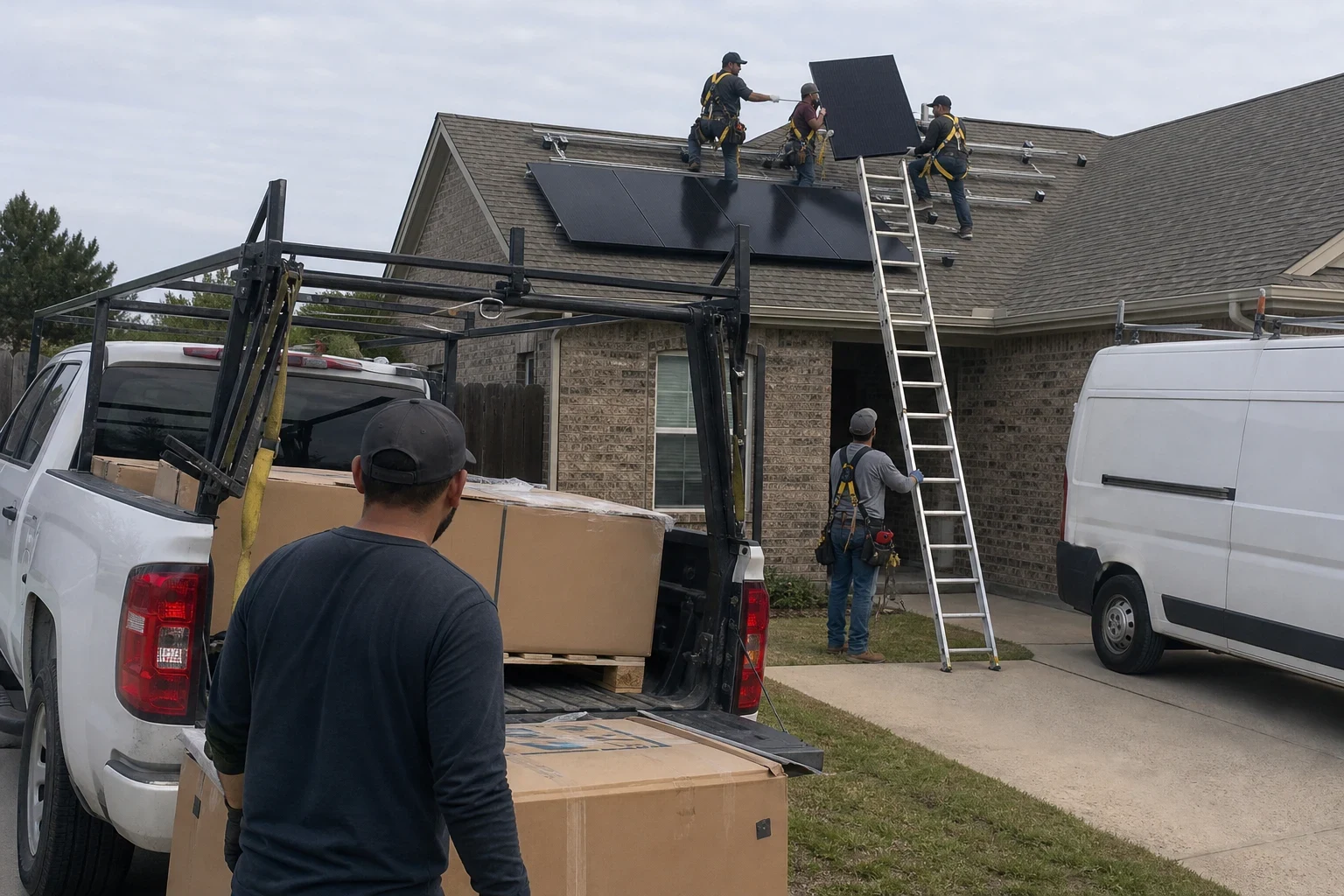
We are a residential solar company based in The Colony, Texas. Our work is limited to solar: designing and installing new systems, adding battery storage, repairing arrays that have stopped performing and cleaning panels so they produce what they should.
The way we work comes from a simple observation. Homeowners are often sold more system than they need, or a repair that does not address the real fault. We would rather spend an extra hour testing strings and reading inverter logs than replace parts that were never the problem.
That patience carries into the installation itself. Neat conduit, sealed attachments and equipment chosen for summer heat and spring storms are what keep a system quiet and productive for years.
- In business
- In business 5 years
- Warranty
- 10-year workmanship warranty on solar
How a Job Runs From First Call to Final Check
Here is what to expect once you get in touch. The order stays the same whether we are installing a new array or tracing a fault in an existing one.
- 1
A phone conversation
You tell us what you want, or what your system is doing wrong. We ask about your bills, your roof and any monitoring data, then set a time to visit.
- 2
Site visit and measurements
We inspect the roof surface, measure shading through the day, check the main electrical panel and, for repairs, test the system itself. Photos go with our notes.
- 3
A written proposal
You receive a line-item estimate with the equipment, layout and scope spelled out. We answer questions and adjust the design before anything is ordered.
- 4
Permits and installation
We pull the permits, schedule the work and install with care around your home. Most residential arrays go up in a matter of days once approvals are in hand.
- 5
Inspection and walkthrough
After the city inspection and utility approval, we turn the system on, confirm it is producing as designed and show you how to read your monitoring app.
Homes We Serve Across the Area
We work throughout The Colony and in nearby Lewisville, Frisco, Plano, Little Elm, Carrollton, Hackberry, Addison, Highland Village, Paloma Creek South and Lake Dallas. Permit steps differ slightly from one city to the next, and we handle each one. The service is the same wherever you live: careful measurement first, then a clear written plan.
- The Colony
- Lewisville
- Hackberry
- Plano
- Frisco
- Carrollton
- Little Elm
- Addison
- Highland Village
- Paloma Creek South
- Lake Dallas
If your home is close to these communities but not listed, give us a call and we will tell you plainly whether we can take the job.
Questions We Hear Most Often
- Is my roof a good fit for solar?
- It depends on which way the roof faces, how much shade it gets and how old it is. South and west planes with few trees around perform best, and east-west layouts can still do well. We measure shade and check the roofing on the visit, then give you a direct answer, even when solar isn't the right fit.
- Do you warranty your work?
- Yes. Our installations come with a 10-year workmanship warranty on solar, which covers what we do: the attachments, wiring and connections. Panels, inverters and batteries are covered separately by their makers, and we spell out which warranty covers what before you sign.
- Why has my system's output dropped?
- Common causes include a failed inverter or optimizer, a loose or corroded connector, a tripped breaker, a tree that now shades the array, or a thick coat of dust or pollen. We test to pin down the real cause before suggesting a fix, and if a cleaning will do it, we tell you.
- Do I need a battery with my solar?
- Not always. A battery is worth it if you want the lights and refrigerator running during an outage, or if your retail plan pays little for the solar you export. We look at your usage alongside your plan and tell you plainly whether a battery pays its way.
- How do solar panels handle hail?
- Quality panels have tempered glass that is impact-tested for hail, and most storms do them no harm. Very large hail can still crack glass or bend a frame. After a major storm we can inspect the array, photograph any damage and walk you through it, so you have clear details for an insurance claim.
- How often should panels be cleaned?
- In this area, dust, spring pollen and bird droppings build up during dry stretches, and rain often doesn't clear them. A cleaning once or twice a year works for many homes. We use purified water and soft brushes, so the glass and its coating stay unscratched.
- How do credits for exported solar work here?
- Most homes in the area pick a retail electricity provider, and each plan sets its own terms for solar exports. Some credit you well and some pay almost nothing. We check how your plan handles exported power so your savings estimate rests on real numbers.
- How long does installing a new system take?
- The roof work usually takes a few days. Design, permitting, inspection and utility approval add time before and after, and we keep you posted at each step so you always know where things stand.
What Sets the Price of a Solar Project
No two homes need the same system, so the price follows the details. These are the factors that matter most, and we walk through each one during the site visit so your estimate is easy to follow.
We start with a phone call, then visit to measure and inspect. Your estimate is itemized from what we found, so every figure is in front of you when you decide.
- Your household's power use
- We size the array from a full year of electric bills rather than a rule of thumb. A large home with a pool pump or an electric car to charge needs more panels than a smaller house with gas appliances.
- How your roof is shaped and faces
- South- and west-facing planes produce the most. Hips, valleys, vents and skylights eat into usable area, and a plain, open roof takes less racking and labor than one split into many sections.
- The roofing under the array
- Panels stay up for decades, so the roof below has to last too. If we see worn or curling shingles on the visit, we take photos and tell you straight away, so you can arrange repairs with your roofer before any racking goes on.
- The equipment you choose
- String inverters, microinverters and optimizers vary in cost and in how they cope with partial shade. A battery, along with its storage size, shows up as a separate line on the estimate.
- Your electrical panel's capacity
- Some older main panels can't accept solar backfeed without an upgrade or a supply-side connection. We check your panel's rating on the first visit so it never comes up late in the job.
- Permits and utility approval
- Every new system requires city permits, an inspection and interconnection forms for the utility. We pull the permits and file the paperwork, and that cost is shown on your estimate.
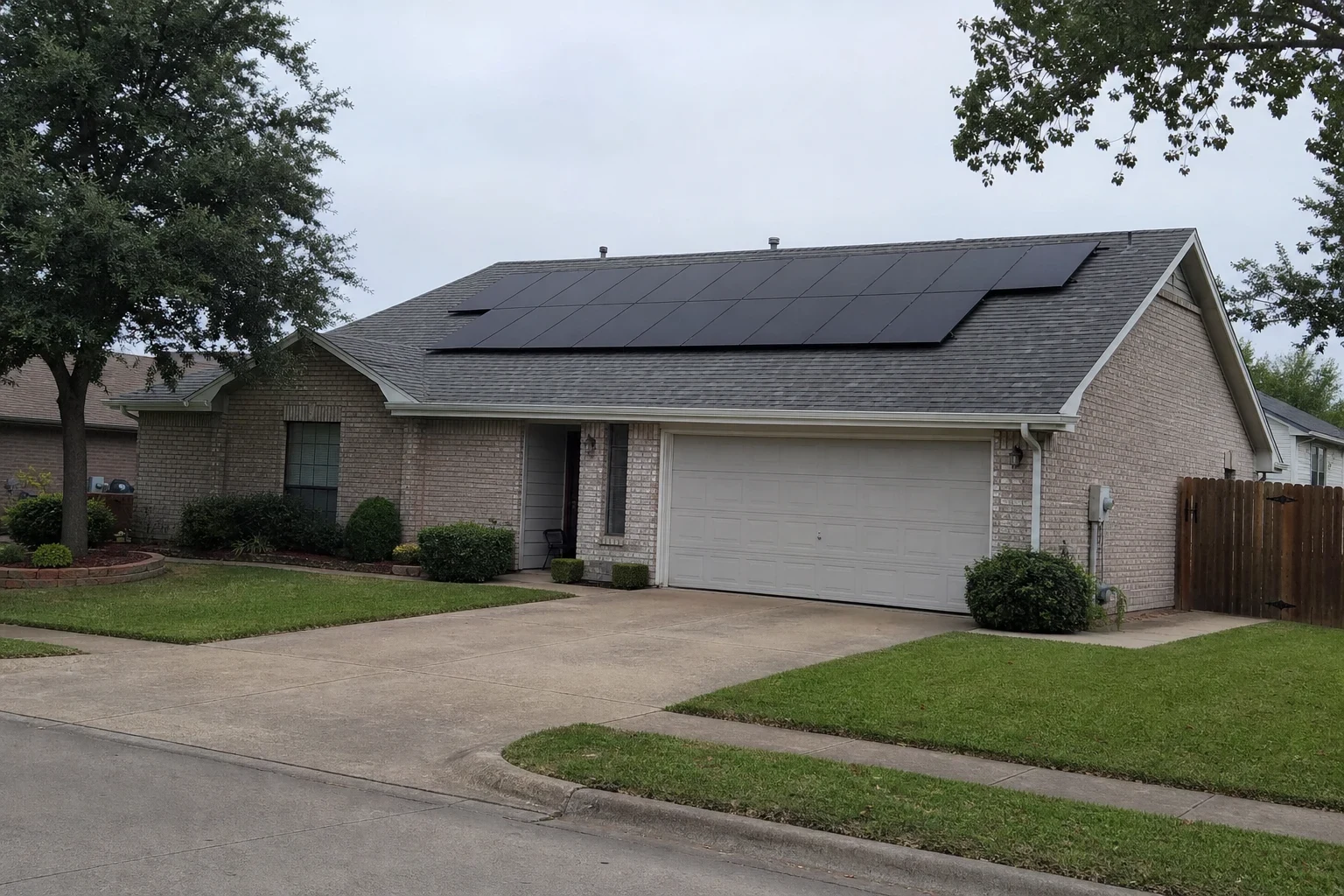
Start With an Honest Look at Your Home
Tell us what you have in mind, or what your system is doing. We will listen, ask the right questions and arrange a visit to measure and inspect.